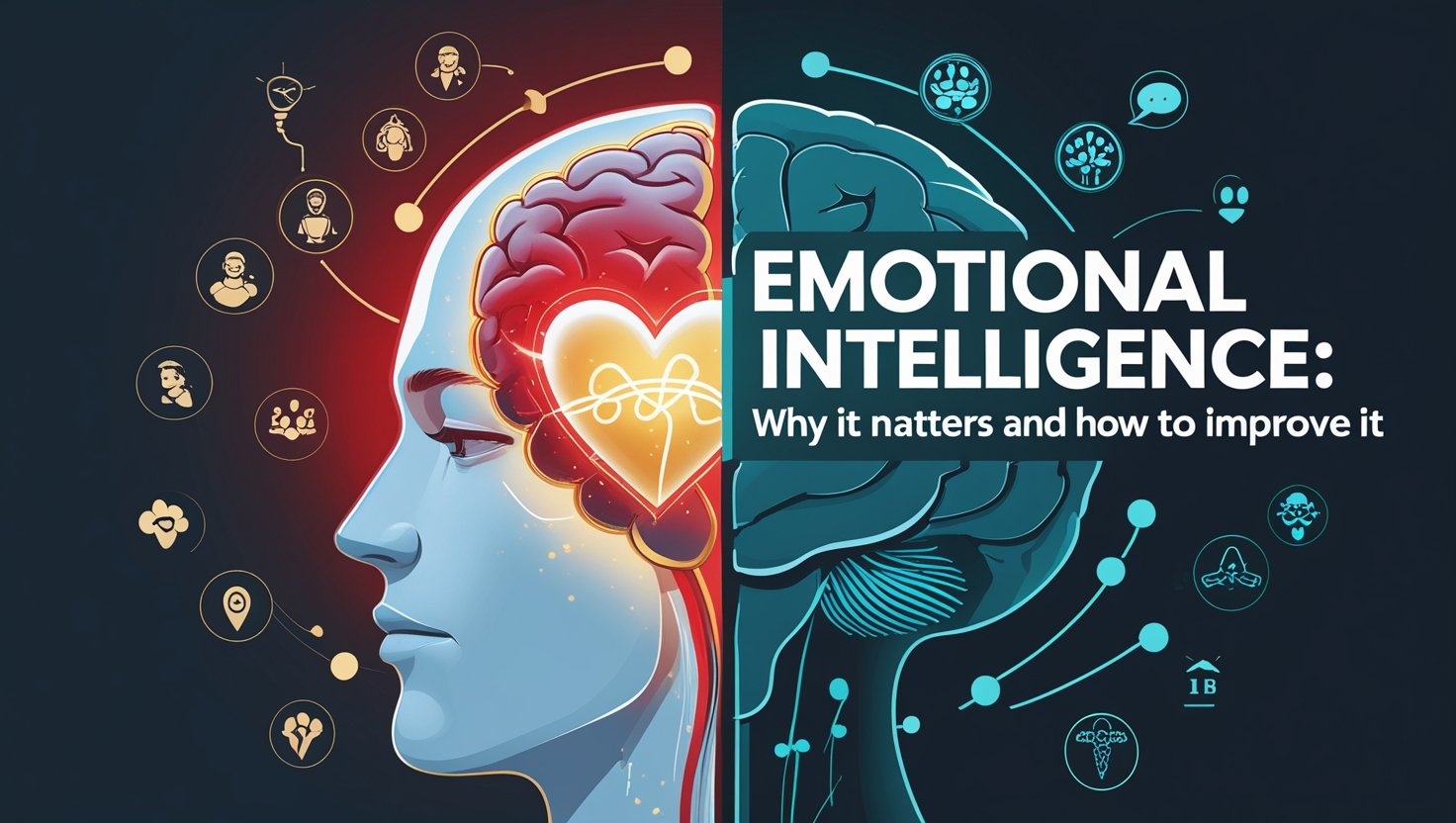
Emotional intelligence (EQ) means understanding your feelings and the feelings of others. It’s like knowing when you are happy, sad, or angry and knowing how to control these emotions. It’s important because it helps you to learn better.
For students, having good emotional intelligence means they can stay calm and focus on their schoolwork. They get along well with classmates and work hard. For teachers, it means they can make the classroom a happy place. They can tell when a student is sad and help them feel better.
In simple terms, EQ helps everyone do better in school and feel good about themselves and others. Having good emotional intelligence means you can manage your feelings and understand the feelings of people around you. This makes learning and living much easier and more enjoyable.
Understanding Emotional Intelligence:
EQ has five parts: self-awareness, self-regulation, motivation, empathy, and social skills. Self-awareness means knowing your emotions. Self-regulation is about controlling your emotions. Motivation involves being driven to achieve goals. Empathy is understanding the feelings of others. Social skills are about interacting well with people.
Emotional Intelligence in the Classroom:
In the classroom, emotional intelligence affects both students and teachers. For students, high EQ can lead to better grades. Self-aware students can manage stress and focus on their studies. Self-regulated students handle frustration better and stay positive. Motivated students set and achieve goals. Empathetic students work well in groups. Students with good social skills communicate effectively with teachers and classmates.
Teachers with high EQ create positive classrooms. They recognize when students need emotional support. They manage their own emotions and set a good example. They build strong relationships with students, parents, and colleagues.
The Benefits of Emotional Intelligence in Learning:
There are many benefits to having high emotional intelligence in learning. One benefit is better academic achievement. Students with high EQ manage stress and work well with others.
Another benefit is better mental health. Students with high EQ are less likely to experience anxiety and depression. They manage emotions and cope with challenges in a healthy way.
Emotional intelligence also leads to better social interactions. Students with empathy and social skills build strong relationships with peers and teachers. This creates a supportive learning environment.
The Connection between Emotional Intelligence and Academic Resilience:
Academic resilience means bouncing back from challenges. High EQ helps build this resilience. Students with high EQ handle stress and failure better. They manage emotions and stay positive, which helps them continue pursuing their goals.
Self-regulation and motivation help students become resilient learners. For example, a student who struggles with a math problem may feel frustrated. If they have good self-regulation, they manage frustration and keep trying. This builds confidence and resilience.
The Role of Teachers in Fostering Emotional Intelligence:
Teachers play a big role in developing emotional intelligence. They create supportive classrooms and model EQ behaviors. They demonstrate self-awareness, self-regulation, and empathy.
Teachers can include social-emotional learning (SEL) activities in their lessons. These activities help students understand and manage their emotions. They also encourage students to practice social skills.
Teachers can provide individual support to students who struggle emotionally. By offering guidance, teachers help students develop coping strategies. This support improves emotional well-being and learning.
How to Develop Emotional Intelligence:
Developing emotional intelligence is a lifelong process. Parents and teachers play a crucial role. They can model EQ behaviors for children to learn
Teaching children about emotions helps develop EQ. This can be done through discussions, books, and activities. Encouraging children to talk about their feelings is important.SEL programs in schools are effective for developing EQ. These programs teach self-awareness, self-regulation, empathy, and social skills. They provide a safe space for students to practice these skills.
Conclusion:
Emotional intelligence, or EQ, is really important for learning. It helps kids do better in school, feel happy and healthy, and make friends. When we start learning about EQ when we are young, it makes our schools a nicer place to be. Understanding how important EQ is helps students do well in their studies and feel good inside and outside of school.